



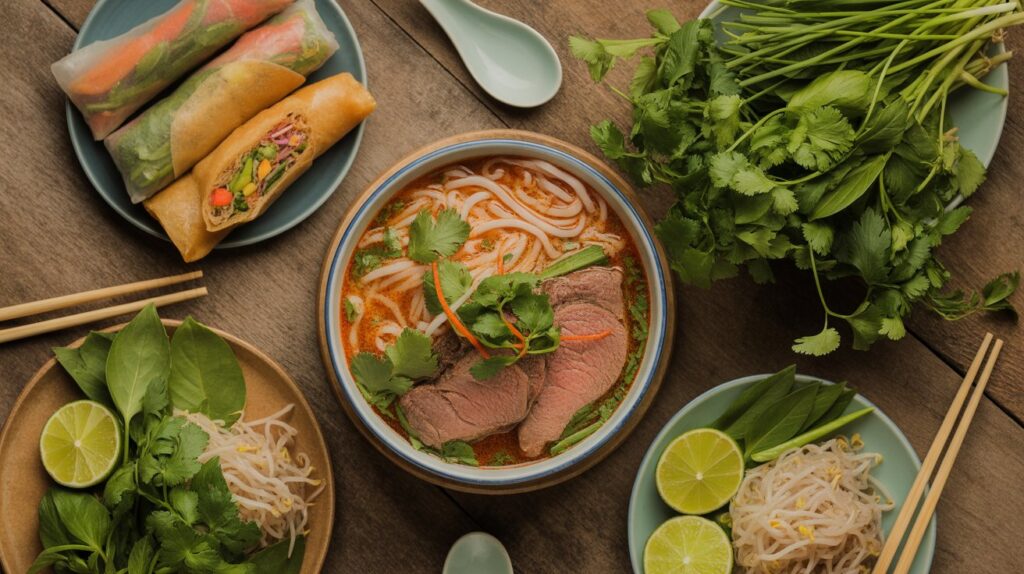
Vietnamese food is known around the world for its fresh ingredients, balanced flavors, and healthy cooking techniques. The cuisine combines herbs, vegetables, rice, noodles, and flavorful broths to create dishes that are both light and satisfying. Vietnamese cooking reflects the country’s history, geography, and culture, making it one of the most unique and admired cuisines in Asia.
The foundation of Vietnamese food lies in its balance of flavors. Many dishes combine sweet, sour, salty, and spicy elements in a single meal. Fresh herbs such as basil, mint, and cilantro are widely used to enhance taste and aroma. Fish sauce, lime juice, chili, and garlic also play essential roles in creating the signature flavors of Vietnamese cuisine.
One of the most famous dishes in Vietnamese cuisine is Phở. This traditional noodle soup features rice noodles served in a rich broth with herbs and meat, usually beef or chicken. Many people enjoy pho as a comforting breakfast or lunch meal, and it has become a global symbol of Vietnamese food culture.
Another popular Vietnamese dish is Bánh mì. This sandwich combines French-style bread with Vietnamese ingredients such as grilled meat, pickled vegetables, fresh herbs, and chili sauce. The dish reflects the historical influence of French cuisine in Vietnam while maintaining unique local flavors.
Vietnamese food culture
Street food also plays a major role in Vietnamese food culture. Markets and street vendors across the country serve freshly prepared dishes that are affordable and full of flavor. One beloved street food dish is Gỏi cuốn. These rolls typically include shrimp, vegetables, herbs, and rice noodles wrapped in thin rice paper and served with a flavorful dipping sauce.
Rice is another essential part of Vietnamese meals. It appears in many forms, including steamed rice, rice noodles, and rice paper. Combined with vegetables, seafood, and meats, rice-based dishes create balanced and nutritious meals that reflect the simplicity of Vietnamese cooking.
Vietnam’s geography also influences its cuisine. Coastal areas focus heavily on seafood, while northern regions often feature hearty soups and noodle dishes. Southern Vietnamese cuisine tends to include sweeter flavors and a wider variety of fresh herbs and tropical ingredients.
Vietnamese food
Vietnamese food is also widely appreciated for its health benefits. Many dishes include fresh vegetables, lean proteins, and light broths instead of heavy sauces or oils. This approach creates meals that are flavorful yet nutritious, which is one reason Vietnamese cuisine has become popular worldwide.
In addition to everyday meals, food holds an important place in Vietnamese culture and celebrations. Traditional dishes are often prepared during holidays and family gatherings, bringing people together to share meals and maintain cultural traditions.
Today, Vietnamese restaurants can be found in many countries, allowing people everywhere to enjoy authentic flavors and traditional dishes. From comforting noodle soups to refreshing spring rolls, Vietnamese food continues to attract food lovers with its balance, freshness, and rich culinary heritage.