




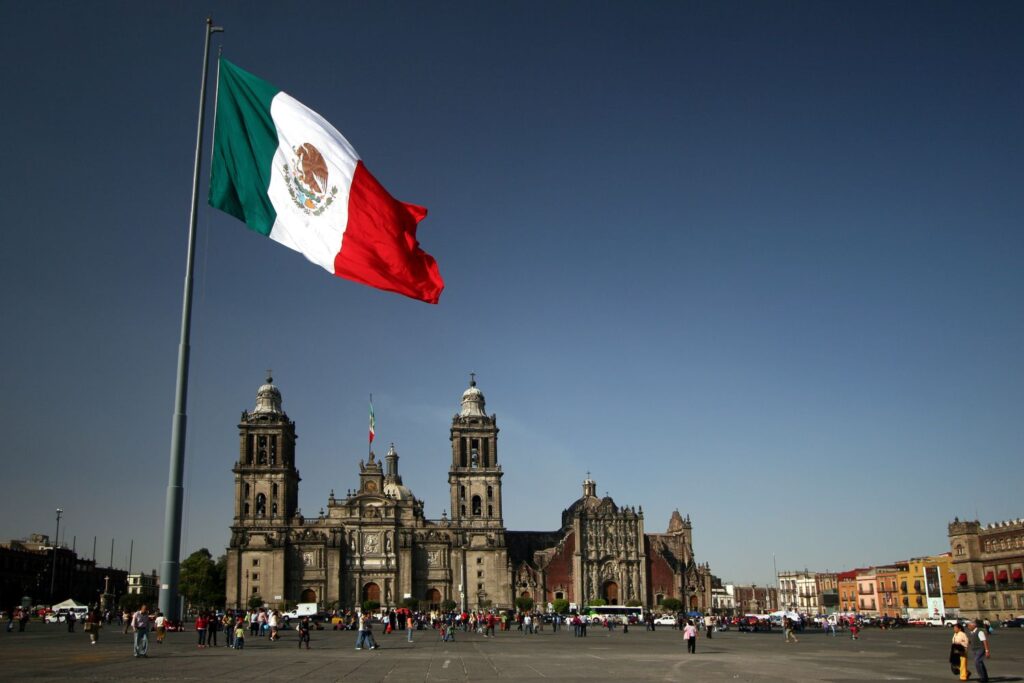
The Flag of Mexico is one of the most recognizable national flags in the world. With its bold green, white, and red vertical stripes and a unique emblem in the center, the flag represents the rich history, culture, and identity of Mexico. It reflects the nation’s struggle for independence, its cultural heritage, and the values that unite its people.
Understanding the Mexico flag helps us appreciate the powerful symbolism and traditions that have shaped the country over time.
Design of the Mexico Flag
The Mexico flag consists of three vertical stripes of equal size:
- Green on the left
- White in the center
- Red on the right
In the middle of the white stripe is the national coat of arms, which features an eagle standing on a cactus while holding a snake in its beak and talon. This iconic image makes the Mexico flag distinct from other tricolor flags.
The current design of the flag was officially adopted in 1968, though its origins date back to the early 19th century.
Meaning of the Colors
Each color of the Mexico flag carries symbolic meaning tied to the nation’s history.
Green
Green traditionally represents hope and the independence movement of Mexico.
White
White symbolizes unity, peace, and the purity of national ideals.
Red
Red represents the blood of the heroes who fought for Mexico’s freedom and independence.
These colors together reflect the sacrifices and aspirations of the Mexican people.
The Eagle and Snake Symbol
The most striking feature of the Mexico flag is the national emblem. The image of an eagle holding a snake while perched on a cactus comes from an ancient Aztec legend.
According to tradition, the Aztec people were told by their god to build their city where they saw an eagle perched on a cactus eating a snake. They eventually witnessed this sign on an island in Lake Texcoco, which became the site of Tenochtitlan, the ancient capital of the Aztec Empire and the location of modern Mexico City.
This legend remains a powerful symbol of the nation’s origins and cultural identity.
History of the Mexico Flag
The history of the Mexico flag is closely connected to the country’s independence from Spain in the early 1800s.
One of the earliest versions of the flag was used during the independence movement led by figures such as Miguel Hidalgo y Costilla. Over time, the design evolved until the modern version was officially adopted in 1968.
Despite these changes, the core colors and national symbolism have remained consistent throughout Mexico’s history.
Mexico Flag Day
Every year on February 24, Mexico celebrates Mexican Flag Day. This national holiday honors the country’s flag and the values it represents.
Schools, government institutions, and communities hold ceremonies to show respect for the flag and educate younger generations about its history.
Importance of the Mexico Flag Today
Today, the Mexico flag stands as a symbol of national pride and unity. It is displayed at government buildings, schools, sporting events, and cultural celebrations.
The flag reminds citizens of their shared heritage and the sacrifices made by those who fought for the country’s independence and freedom.
Conclusion
The Mexico Flag is more than just a national symbol. It tells the story of the country’s past, honors its heroes, and represents the cultural identity of Mexico.
With its meaningful colors and powerful emblem, the Mexico flag continues to inspire pride and unity among the Mexican people and remains an important symbol recognized around the world.