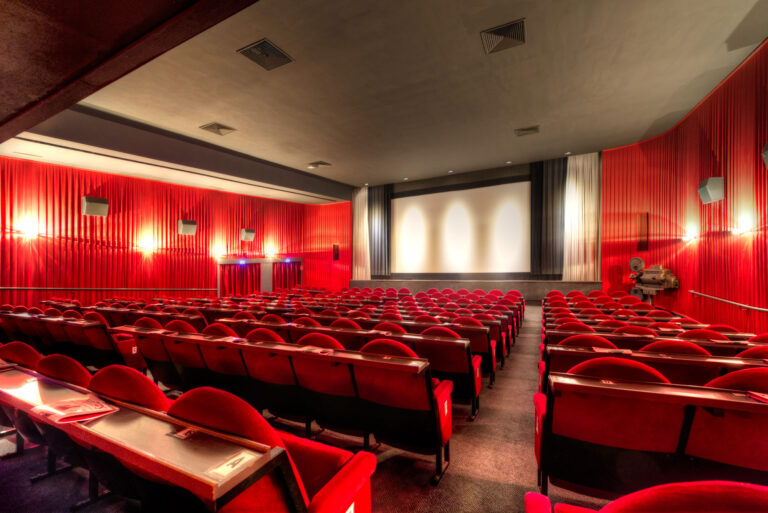



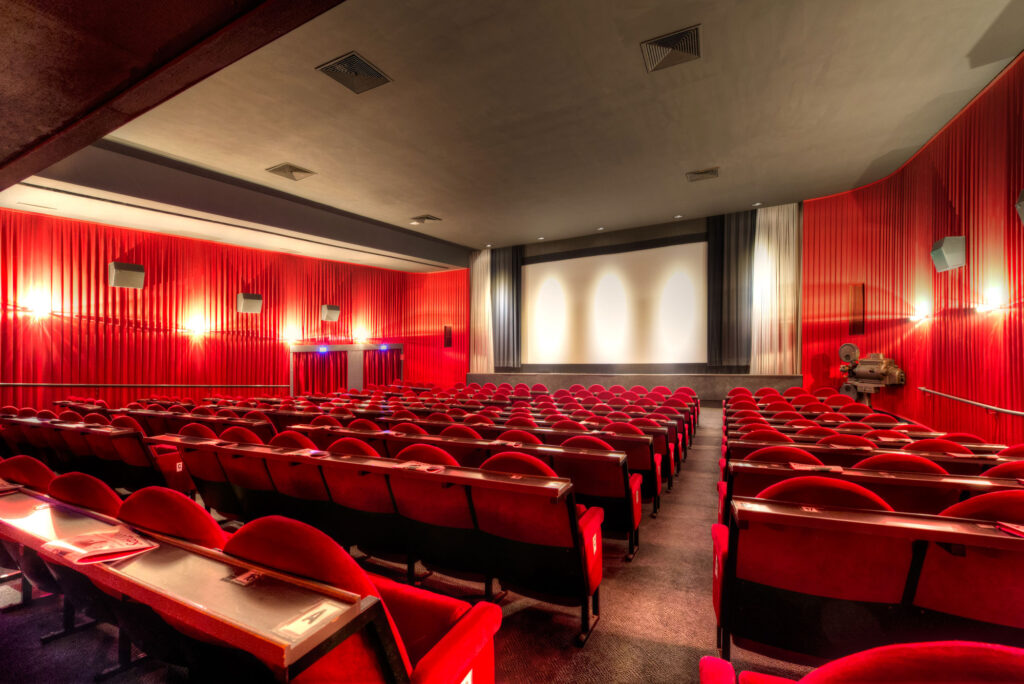
Cinema arthouse, often referred to as art cinema, represents a unique and expressive form of filmmaking that prioritizes artistic vision over commercial success. Unlike mainstream movies, arthouse films focus on storytelling depth, experimental techniques, and emotional or intellectual engagement. These films are typically produced independently and are showcased in specialized theaters or film festivals.
In today’s evolving film landscape, cinema arthouse continues to influence global storytelling, offering audiences a refreshing alternative to blockbuster entertainment.
What is Cinema Arthouse?
Cinema arthouse is a genre or category of films that emphasize creativity, symbolism, and personal expression. These films are usually characterized by:
- Non-linear narratives
- Deep philosophical or social themes
- Minimalistic or experimental visuals
- Character-driven storytelling
- Open-ended or ambiguous conclusions
Rather than aiming for mass appeal, arthouse films cater to niche audiences who appreciate thought-provoking and unconventional cinema.
Key Characteristics of Arthouse Films
1. Artistic Expression Over Profit
Arthouse cinema prioritizes the director’s vision and storytelling style instead of box office performance. Filmmakers often explore bold ideas and unique perspectives.
2. Experimental Storytelling
Unlike traditional films, arthouse movies may break narrative rules. This includes fragmented timelines, abstract imagery, and symbolic storytelling.
3. Slow Pacing
Arthouse films often have a slower pace, allowing viewers to reflect on the scenes and emotions presented.
4. Realism and Authenticity
Many arthouse films focus on realistic settings, natural lighting, and authentic performances, creating a raw and immersive experience.
5. Social and Political Themes
These films frequently tackle complex issues such as identity, class struggle, mental health, and existentialism.
History of Cinema Arthouse
The origins of arthouse can be traced back to early European cinema in the 1920s. It gained prominence after World War II, particularly in countries like France, Italy, and Sweden.
During the mid-20th century, various film movements contributed to its growth:
- Italian Neorealism
- French New Wave
- German Expressionism
These movements challenged traditional filmmaking norms and laid the foundation for modern arthouse cinema.
Importance of Arthouse Cinema
1. Encourages Creative Freedom
Arthouse films give directors the freedom to experiment without the constraints of commercial expectations.
2. Promotes Cultural Diversity
These films often highlight different cultures, traditions, and perspectives, enriching global cinema.
3. Inspires Mainstream Cinema
Many techniques and storytelling methods used in arthouse films eventually influence mainstream movies.
4. Engages Thoughtful Audiences
Arthouse cinema appeals to viewers who enjoy analyzing themes and interpreting deeper meanings.
Arthouse Cinema vs Mainstream Cinema
| Feature | Arthouse Cinema | Mainstream Cinema |
|---|---|---|
| Focus | Artistic expression | Entertainment & profit |
| Storytelling | Experimental, abstract | Linear, structured |
| Audience | Niche | Mass audience |
| Budget | Low to moderate | High |
| Themes | Deep and philosophical | Broad and accessible |
Popular Arthouse Film Genres
Arthouse spans across multiple genres, including:
- Drama
- Psychological thriller
- Experimental film
- Documentary-style storytelling
- Indie romance
These genres are often blended creatively to produce unique cinematic experiences.
Why People Love Arthouse Cinema
Arthouse films offer something different from mainstream entertainment. Viewers are drawn to:
- Unique storytelling styles
- Emotional depth
- Intellectual stimulation
- Visual creativity
- Authentic performances
For many, watching arthouse is not just entertainment—it’s an experience.
Challenges Facing Arthouse
Despite its cultural significance, cinema faces several challenges:
- Limited distribution and screening venues
- Smaller audience reach
- Financial constraints
- Competition from mainstream blockbusters
However, digital streaming platforms have helped bring arthouse films to a wider audience in recent years.
The Future of Cinema
The future of cinema looks promising as more filmmakers embrace independent storytelling. With the rise of online platforms and global film festivals, these films are gaining recognition worldwide.
Emerging directors continue to push creative boundaries, ensuring that arthouse remains a vital part of the film industry.
Conclusion
Cinema stands as a powerful form of artistic expression in the world of filmmaking. It challenges norms, explores deep themes, and offers audiences a meaningful cinematic experience. While it may not always achieve commercial success, its impact on culture, storytelling, and creativity is undeniable.
For those seeking more than just entertainment, cinema opens the door to a world of imagination, emotion, and intellectual exploration.
FAQs About Cinema Arthouse
What does arthouse mean in cinema?
Arthouse refers to films that focus on artistic and experimental storytelling rather than commercial appeal.
Are arthouse films popular?
They are popular among niche audiences and film enthusiasts but less so in mainstream markets.
Where can I watch arthouse films?
You can watch them in independent cinemas, film festivals, and streaming platforms.
Why are arthouse films slow?
The slower pace allows deeper exploration of characters, themes, and emotions.